Arts & New Media conference

I’m back from the one-day seminar held on the arts & new media at Dublin Castle, sponsored by the Arts Council. It was a lively day full of interesting discussion and presentation– for me the best aspect was meeting others in the Irish blogging community, and hearing how various organisations in Ireland are utilising social media and other web 2.0 technologies in their work. Damien Mulley and Fearghus Ó Conchúir have already recalled their experience at the conference on their blogs. Others appeared to be blogging the conference live, but I haven’t yet found their sites or responses… in principle it’s an interesting idea, but sitting next to a blogger furiously tapping away during a presentation (or indeed surfing the web or checking email) reminds me of the kind of things we kick undergrads out of lecture for doing! A bit irritating, to be honest.

To my mind the discussions based around the opportunities offered by web-based media to organisations were more productive than those that focused on their potential within art practice. Also I have an interest in the deeper implications of web 2.0 on processes of social interaction and creativity within organisations, which were addressed sporadically but not with any particular rigour. That being said, the initial fiery exchange between keynotes Andrew Keen and Charles Leadbeater was particularly enjoyable owing to the strong feelings and ideas it provoked. Leadbeater’s boulder and pebble metaphor seemed to resonate particularly well and was repeated by others throughout the day, but I suspect many in the audience found themselves surprisingly in sympathy with Keen’s point of view. I myself am concerned about the overly American-centric view of the world presented by web 2.0 utopians, and worry about the social inequalities and new hegemonies it tends to gloss.

In terms of the ‘open’ sessions, I was a bit disappointed to realise that they had been predetermined, and not left open for participants to decide, as in true Open Conferencing style. I suppose this is more achievable in a 2-day conference environment, but given the unusual diversity of attendees it felt like an opportunity not seized. Finally, I would have loved to have seen policy addressed in a more concrete way, which the last session promised but did not deliver. I suspect many in the audience were not actually that interested in discussing policy (fair enough), and although I appreciate Andrew Taylor’s response to my question, I would have much preferred a response from the RTE and Arts Council reps on the panel, who are more familiar with the Irish policy context and the giant ‘boulders’ in that arena. So much of the conversation on the day seemed to need more time– it often felt like folks were just getting started before it was time to move on to the next session! Clearly there’s a high level of enthusiasm out there for the subject, and I’ve heard from several people disappointed there was no space for them to attend (though they plan on catching up on the streaming audio).

I find it difficult to criticise any new initiative, mostly because I’m so delighted anything’s been done at all! Indeed the large turnout to the event is testament to the hunger for these conversations, but I also think it led to the conference ‘vibe’ feeling somewhat diffuse and unfocused. That’s a personal response of course– but I think the most productive work at these events gets done when a smaller group of participants are united around a central agenda and set of concerns, though their views, approaches and experience may differ. I hope a more concentrated series of events or get-togethers will emerge out of this first effort, and that the dialogue begun yesterday will translate into a more vibrant online arts community in Ireland.

Finally a big kudos to Annette Clancy and her team who put the whole event together– well I know the difficulty in managing such an event, and it was superbly organised and run.
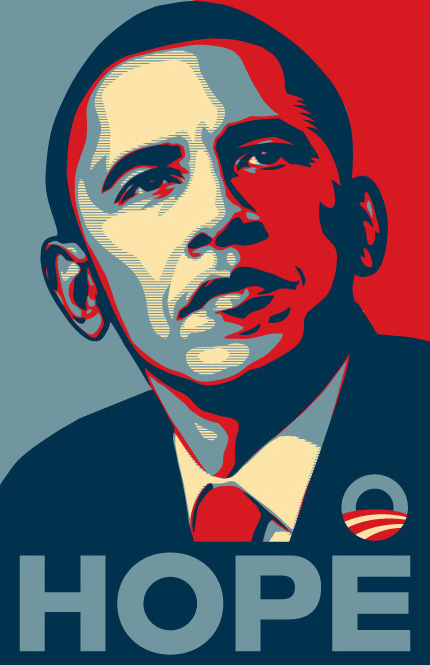
Obama and the arts

As Obama now moves from political aspiration to policy implementation, the question suddenly occurred to me yesterday: what the heck does he think about the arts in America? With all talk focused on the economy and Iraq, I can’t recall a single reference to American arts/cultural policy within election discourse over the past year.
Fear not, for the internet reveals all– behold the Obama/Biden platform on the arts!

Continue reading

Upcoming conference: New Media, New Audience?

I’m excited to be taking part in an upcoming conference sponsored by the Arts Council, on the subject of how new media may be utilised by practising artists and arts organisations. With keynote speakers Andrew Keen and Charles Leadbeater offering contrasting views on the concept of web 2.0 and its cultural effects, as well as a host of other interesting sessions, this one day conference looks most promising! Registration is FREE, though limited at the moment to one individual per organisation:

New Media, New Audience? A one day working seminar on the arts, new media and broadcasting

Dublin Castle, 25 November 2008

We live in interesting times. Web technologies such as YouTube, blogging, podcasting and social media have unleashed a wealth of creative material online. The Arts Council is pleased to bring together national and international experts from the arts, social media and broadcasting in this one day working seminar to explore the ways in which artists and the public are adapting and adopting new ways of producing, presenting and promoting the arts.

This seminar is open to artists, organisations and policy makers interested in the potential that new media has for the way in which they work, and in the way it can attract and broaden audiences.

Conference website: http://artscouncilnewmediaconference.com/wordpress/

I especially like the ‘Your Space‘ element on offer– derived, I assume, from the concept of Open Space conferencing– an aspect I was very interested to have at our summer conference on arts management, but which we couldn’t accommodate in the end. I’m eager to see how this will work and what new ideas it may provoke.

Speaking out on the budget

In Saturday’s Irish Times Deirdre Falvey had more to report on reactions to and analysis of the budget’s anticipated impact on the arts:

Reactions varied to the arts- budget cuts. Olivia Mitchell of Fine Gael was appalled at the cuts in capital spending for the national cultural institutions, an issue she has consistently drawn attention to, particularly the condition of the national archives, which are “a disgrace . . . They are run on a shoestring anyway, and they badly need investment. Now the Celtic tiger is gone. It’s a tragedy.” She was dismayed at the Arts Council cuts, and at how “jobs will go in that industry, as jobs in many organisations are barely viable. It’s a bad policy because to get value for money for all the facilities that have been built, you need to have the arts programmes to put in them.”

Labour’s Mary Upton criticised the decision to “slash the funding [to the department] by 22 per cent as a myopic soft option”. The ability of the Arts Council and the Sports Council to support the wider arts and sports community in every village and town has been damaged, she said.

click to read on…

Consulting with children: policy and practice

Last week The Ark, a Cultural Centre for Children and Children’s Books Ireland presented a symposium on the subject of consulting with children, in the service of developing policy & programmes for arts centres. One of our recent MA graduates, Bairbre Carmody, attended the symposium and is happy to make the following report for http://www.artsmanagement.ie:

Building a Culture of Consultation with Children within Artistic Policy and Practice was a joint symposium presented by The Ark and Children’s Books Ireland which took place at The Ark last Friday 12th September with over 80 delegates from around Ireland, representing all areas of the arts, including theatre, museums, galleries, libraries and community arts. Sheila Greene, Director of the Children’s Research Centre at Trinity College chaired the event and gave some background to current children’s policy. According to Greene, children now have a voice in matters which affect them, and participation with children can influence decision- making and bring about change. Presentations were given by Liz Moran, Artistic Director of Macrobert Children’s Arts Centre in Stirling, Scotland, whose young consultancy scheme involves young people directly in the decision making of the centre. She was joined by Charlotte Kelly who has been a Young Consultant with the arts centre for the past seven years. Charlotte gave the young perspective on the importance of this type of consultancy. Karen Bertrams, Library Advisor for ProBiblio in Holland involved children in the design of the The Library of 100 Talents, in Heerhugowaard, an interactive library where the children worked alongside the architect in every aspect of designing the building. Adam Graham and young consultant Ruby Lloyd-Burman from Media Fish, Leeds Young People’s Film Festival now run a year-round consultancy with 9-18 year olds offered advice when participating with this age group. The presentations were followed by practical workshops, delivered by Playtrain, a UK based provider of hands-on training, creative children’s consultations and action research for organisations working with children. The symposium was supported by The Irish Youth Foundation, The Atlantic Philanthropies and The Office of the Minister for Children. The day ended with a lively discussion on the importance of involving young people in decision making about affairs that affect them and how best to plan a consultancy framework specific for each organisation.

Thanks Bairbre! A copy of the symposium schedule can be found here.